THE SCIENCE BEHIND THE MEDICINE

Pharmacology,
made memorable.

Understand the mechanism. Apply the reasoning. A space for medical students and curious researchers to connect medicines with the evidence behind them.

Dr Muhammad Imran AhmadMedical doctor · Lecturer in Pharmacology

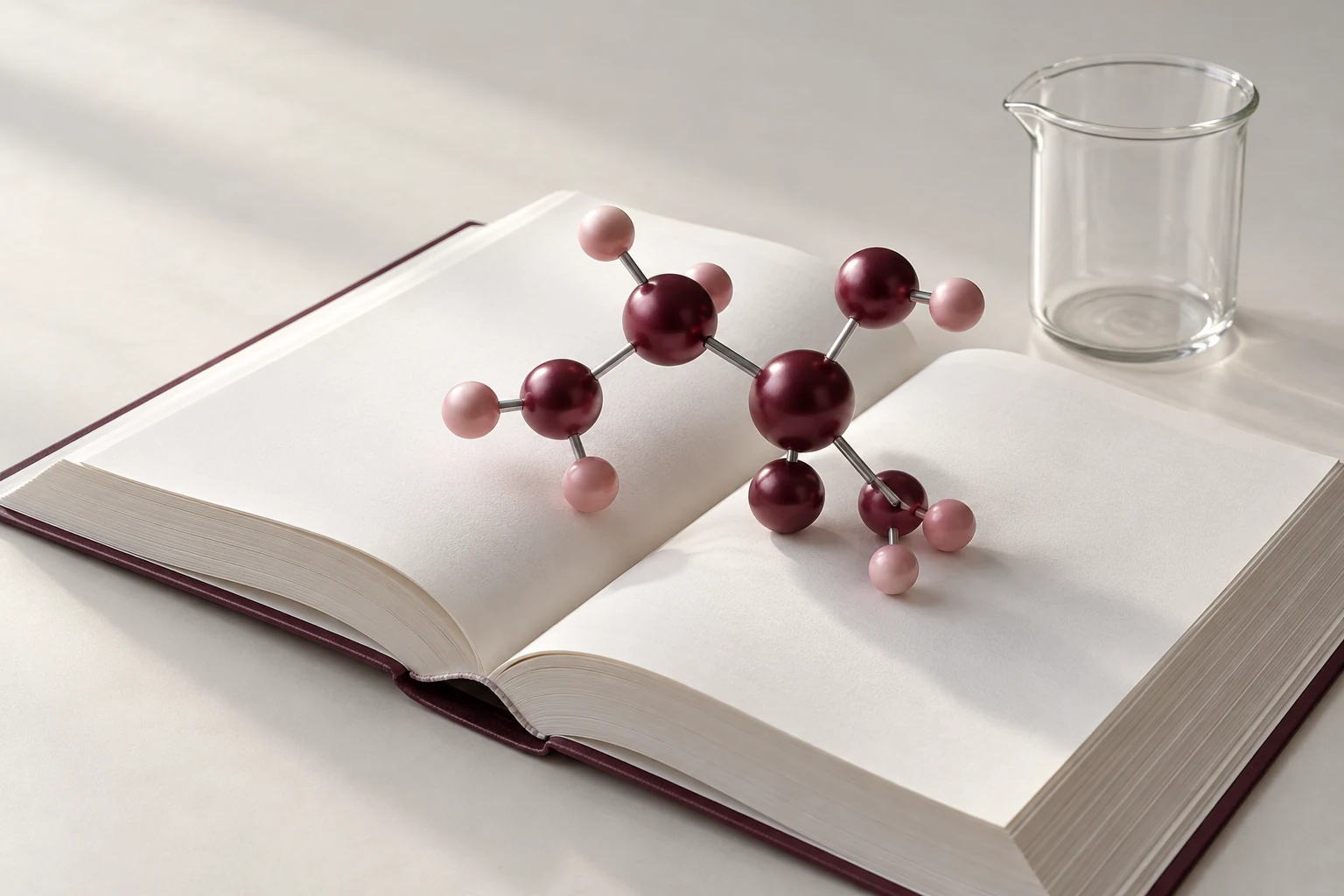
Conceptual pink molecular model on an open textbook beside laboratory glassware
FROM RECEPTOR
TO RESPONSE.
A little curiosity.
A clearer understanding.
MBBS YEAR 1 & YEAR 2

Mechanisms that make sense. Cases that make you think.

Try a clinical case

01 / THE LEARNING ROOM

Start with the why.

Concise study notes, key comparisons, and prompts that turn recall into pharmacological reasoning.

Choose a topic to open its study guide.

Study guides and practice cases for learning. Follow your current module handbook for assessed learning outcomes.

02 / THINK IT THROUGH

A clinical clue.
A pharmacological
explanation.

Go beyond naming a drug. Connect its target to its effect, then explain your choice.

SBASAQOSPEViva

Original practice cases
with explanations and source links.

LIPID-LOWERING DRUGS01 / 03

A different route to lower LDL.

A patient who cannot tolerate a statin is prescribed ezetimibe. Which molecular target explains its cholesterol-lowering effect?

Choose an answer, or reveal the explanation to study the mechanism.

03 / THE RESEARCH DESK

Exposure. Cognition.
Connections.

My research interests bring together environmental exposures, neurocognitive outcomes, and careful biomedical data analysis.

ENVIRONMENTAL & NEUROCOGNITIVE RESEARCH

What can environmental exposures tell us about cognitive health?

Exploring individual PFAS compounds and metals alongside cognitive assessments and BDNF measures. The central task is to examine associations carefully, with attention to confounding, assay limitations, and the difference between association and causation.

PFASMetalsCognitionBDNF
Read the ATSDR PFAS overview
A / MEASUREMENT

From sample to signal

Research interests in LC–MS/MS for PFAS, ICP–MS for metals, and biomarker measurement.

B / ANALYSIS

Make the analysis reproducible

R and Python workflows for assay data cleaning, LOD and LOQ handling, association testing, and clear plots.

Read the analysis checklist
Before you run the analysis

A practical checklist for biomedical assay data:

  1. Preserve the original. Work from a copy and keep identifiers separate from the analysis dataset.
  2. Check units and missing values. Distinguish a missing result from a measured zero.
  3. Handle detection limits explicitly. Record LOD and LOQ flags; explain the chosen method rather than silently substituting zero.
  4. Inspect distributions. Check outliers, skewness, and transformations before modelling.
  5. Report estimates with uncertainty. Consider confounders, sample size, and multiple comparisons.
  6. Keep it reproducible. Save code, software versions, and clearly labelled figures.

04 / A LITTLE ABOUT ME

A doctor’s curiosity.
A teacher’s perspective.

I’m Dr Muhammad Imran Ahmad, a medical doctor and lecturer in pharmacology at Universiti Kuala Lumpur Royal College of Medicine Perak (UniKL RCMP).

I teach Year 1 and Year 2 MBBS students, with a focus on mechanisms, clinical application, and questions that reward understanding. My academic interests also include pharmacology and toxicology manuscript review, and research on environmental exposures and cognition.

BASED IN IPOH, MALAYSIAUniKL RCMP
LEARNING NOTE